
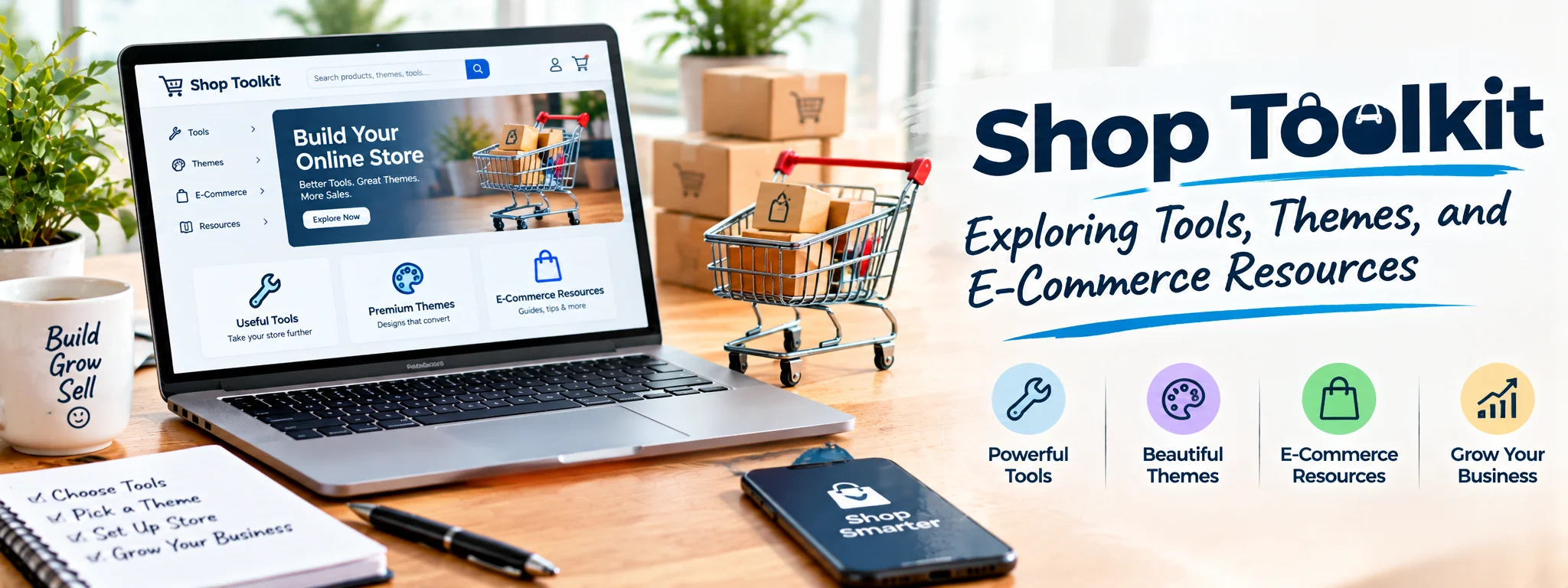
A successful online store needs more than attractive products and competitive prices. It also requires reliable tools, appealing design, secure payments, and efficient order management. Shop Toolkit is a useful keyword for exploring the digital resources that help businesses build, manage, and improve their e-commerce operations. Whether you are launching a small online shop or managing an established store, understanding these resources can help you create a smoother shopping experience and achieve sustainable growth.
What Does Shop Toolkit Include?
The term shop toolkit generally refers to a collection of digital tools, applications, and resources used to operate an online store. Depending on the platform, these resources may support website creation, product listings, marketing, payments, analytics, and customer service.
A shop toolkit does not necessarily refer to one specific product or company. Instead, it can describe the broader collection of resources that online retailers use to run their businesses effectively.
Essential E-Commerce Resources
A practical toolkit may include:
- Store-building platforms: Create and customize an online storefront.
- Website themes: Improve the appearance, layout, and navigation of a shop.
- Payment gateways: Process customer payments securely.
- Inventory tools: Track products, stock levels, and incoming orders.
- Marketing applications: Support email campaigns, promotions, and customer engagement.
Choosing suitable resources helps businesses reduce repetitive work and focus more attention on customers and product quality.
Exploring Shop Toolkit Themes and Design
Website design influences how customers perceive an online store. A confusing layout or slow-loading page can discourage visitors, while a clean, responsive design can make shopping easier and more enjoyable.
Choosing the Right Theme
An e-commerce theme determines the overall appearance of a storefront, including its colors, typography, product galleries, navigation, and page structure.
When selecting a theme, consider your product category, target audience, and business goals. A fashion store may benefit from large product images and visual collections, while an electronics retailer might need detailed specifications and comparison features.
A good theme should offer:
- Responsive layouts for mobile phones, tablets, and computers.
- Clear navigation and well-organized product categories.
- Fast loading speeds and accessible design.
- Customization options that match your brand identity.
- A simple checkout process with minimal distractions.
The right design creates a stronger first impression and helps customers move confidently from browsing to purchasing.
Shop Toolkit Features for Managing an Online Store
Beyond appearance, effective store management depends on tools that simplify daily operations. As order volumes increase, manual processes can become time-consuming and difficult to maintain.
Product and Inventory Management
Inventory software helps retailers monitor stock availability, update product information, and identify items that need replenishment. Accurate inventory records can reduce overselling and prevent disappointing customers with unexpected delays.
Product management tools also help maintain consistent descriptions, prices, images, and product variations across a store.
Payments and Order Processing
Secure payment processing is another essential part of e-commerce. Businesses should select reputable payment providers that support their customers’ preferred payment methods and clearly communicate transaction costs.
Order management features can help retailers track purchases, prepare shipments, send confirmations, and manage returns. These functions create a more organized workflow and improve the overall customer experience.
Comparing Popular E-Commerce Tools
Different tools serve different purposes. The best choice depends on your budget, technical experience, product range, and long-term plans.
| Tool or Resource | Main Purpose | Best For |
| Shoplift | Hosted online store creation | Beginners and growing retailers |
| WooCommerce | E-commerce functionality for WordPress | Businesses seeking flexibility |
| Canvas | Marketing graphics and promotional designs | Store owners and content creators |
| Google Analytics | Website traffic and behavior analysis | Performance monitoring |
| Mail chimp | Email marketing and customer communication | Promotional campaigns |
Features, pricing, and availability may change, so review each provider’s current plans before making a decision.
Marketing Resources That Support Store Growth
Building an online shop is only the beginning. Customers need to discover your products before they can make purchases. Marketing tools help businesses increase visibility, attract relevant visitors, and encourage repeat orders.
SEO and Content Marketing
Search engine optimization helps product pages and category pages appear for relevant searches. Useful practices include writing descriptive page titles, creating original product descriptions, improving page speed, and organizing content with clear headings.
A blog can also answer customer questions, explain product benefits, and attract visitors through informative articles.
Email and Social Media Marketing
Email campaigns can announce new products, share discounts, and remind customers about abandoned shopping carts when appropriate consent and platform requirements are followed. Social media tools help businesses publish content, communicate with customers, and showcase products visually.
Track results regularly to understand which channels deliver meaningful engagement and sales.
How to Choose the Best Shop Toolkit
Selecting every available application is rarely necessary. Too many tools can increase expenses, create technical complications, and make business management harder.
Start with your most important needs, then expand your toolkit as your store grows.
Consider these five practical steps:
- Identify the biggest challenges in your current store.
- Set a realistic budget for software and subscriptions.
- Check compatibility with your existing e-commerce platform.
- Prioritize security, usability, and customer support.
- Review performance regularly and remove tools that provide little value.
A carefully selected toolkit can support growth without adding unnecessary complexity.
Final Thoughts
A shop toolkit can bring together the essential resources needed to build, manage, and grow an online business. Website themes improve presentation, inventory systems organize products, payment tools simplify transactions, and marketing applications help attract customers.
The most effective approach is to choose tools that solve real problems rather than adopting every new application available. By prioritizing usability, security, performance, and customer satisfaction, store owners can create a dependable shopping experience and build a stronger foundation for long-term success.
Frequently Asked Questions
1. What is a shop toolkit?
A shop toolkit is a collection of digital tools and resources used to build, manage, market, and improve an online store.
2. Which tools are useful for beginners?
Store-building platforms, customization themes, payment gateways, and basic analytics tools are helpful starting points.
3. Are shop toolkit resources free?
Some tools offer free plans, while others require subscriptions, transaction fees, or paid upgrades.
4. Why are e-commerce themes important?
Themes improve storefront appearance, navigation, mobile usability, and the overall shopping experience.
5. How can a shop toolkit increase sales?
The right tools can improve product presentation, simplify checkout, support marketing, and help businesses make better decisions using store data.
One Reply to “Shop Toolkit: Exploring Tools, Themes, and E-Commerce Resources”