
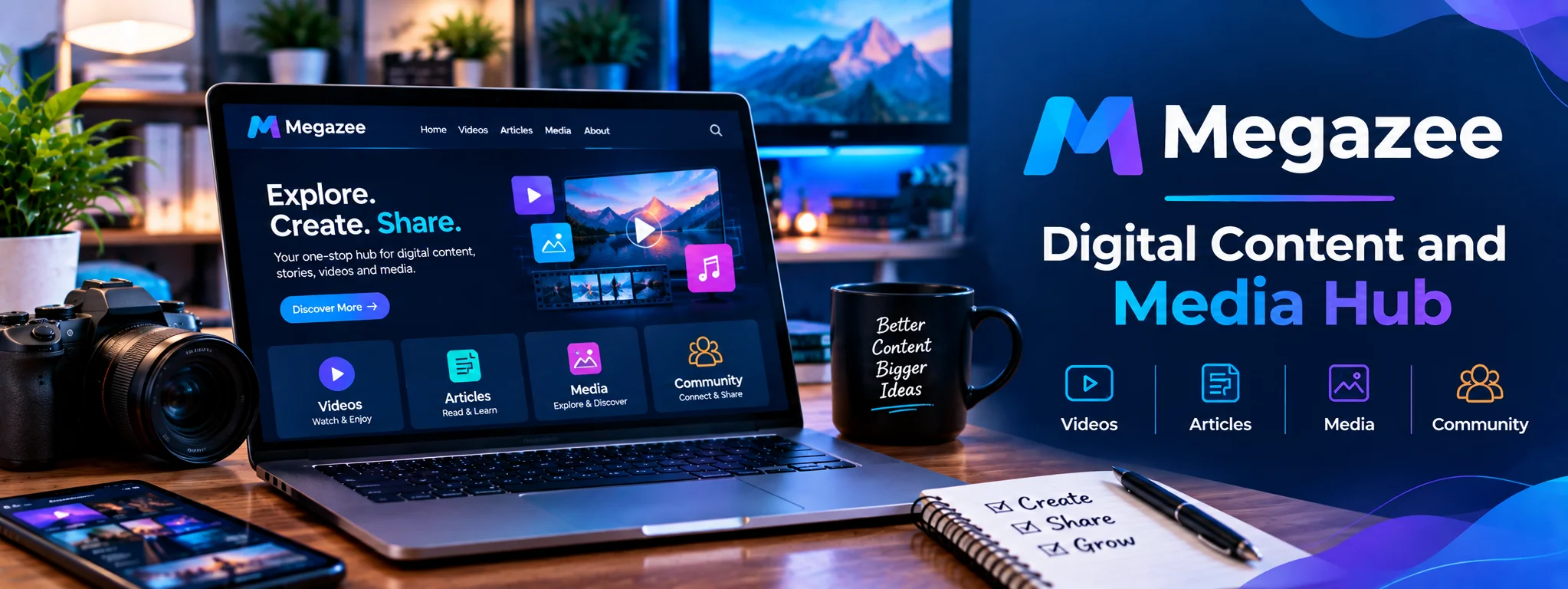
Megameter: Digital Content and Media Hub represents the growing role of online platforms in bringing information, entertainment, ideas, and useful resources together in one convenient space. As people increasingly rely on digital channels for news, guides, lifestyle content, technology updates, and entertainment, platforms like Megameter can provide an organized way to explore different subjects. A well-designed digital media hub focuses on accessible content, clear presentation, and an engaging experience that keeps readers coming back.
Megameter and the Growth of Digital Media
The internet has changed how people discover and consume information. Traditional media once depended heavily on newspapers, magazines, radio, and television, while modern audiences can access content through websites, mobile devices, social networks, and streaming platforms.
Megameter fits into this broader digital environment by presenting content in an online format. A media hub can bring multiple categories together instead of requiring visitors to search through unrelated websites. This approach can save time and make everyday browsing more convenient.
A Central Place for Online Content
A successful digital hub usually covers subjects that appeal to different interests. These may include lifestyle, entertainment, technology, business, culture, current trends, or practical guides.
The value of a platform depends not only on the number of topics but also on how effectively information is presented. Readers generally prefer content that is easy to scan, logically structured, and written in a straightforward style.
Key Features of Megameter: Digital Content and Media Hub
A useful digital content platform should offer more than a collection of random articles. It should provide a consistent experience that helps visitors find relevant information quickly.
Some important elements include:
- Organized categories: Clear sections help visitors locate topics that match their interests.
- Readable articles: Short paragraphs, descriptive headings, and useful formatting improve readability.
- Fresh ideas: Original perspectives can make content more engaging and memorable.
- Accessible design: A clean interface allows users to browse comfortably across different devices.
- Practical information: Helpful guides can give readers information they can apply in everyday situations.
These features can create a stronger connection between a website and its audience. When readers find useful information without unnecessary complexity, they are more likely to explore additional pages.
How Digital Media Hubs Serve Modern Readers
Online audiences have different expectations from traditional media consumers. Many people want quick answers, but they also appreciate detailed explanations when a subject requires deeper context.
Convenience and Accessibility
One of the strongest advantages of digital content is convenience. A reader can access an article from a computer, tablet, or smartphone without waiting for a scheduled broadcast or physical publication.
This flexibility makes digital media especially valuable for people with busy routines. They can browse during a short break, research a subject before making a decision, or return to an article whenever necessary.
Variety of Topics
A broad content hub can attract visitors with different interests. One person may arrive for an entertainment article, while another may be interested in technology or lifestyle information.
This variety creates opportunities for readers to discover subjects they might not have searched for directly. Internal links, related articles, and category pages can further improve this experience.
Content Quality and Reader Trust
The long-term value of any media platform depends heavily on content quality. Attractive design may encourage a visitor to open a page, but useful information is what can encourage that visitor to stay.
Good digital content should be:
| Content Element | Why It Matters |
| Clear structure | Makes information easier to follow |
| Original writing | Gives readers a distinct perspective |
| Accurate details | Supports reader confidence |
| Useful examples | Makes concepts easier to understand |
| Simple language | Improves accessibility |
| Relevant headings | Helps readers scan the article |
A strong content strategy also avoids unnecessary repetition. Each section should contribute something meaningful to the overall subject.
Building a Better Reading Experience
Readers often scan online articles before deciding whether to read them completely. Headings, bullet points, tables, short paragraphs, and descriptive introductions can make an article easier to navigate.
Visual elements can also support understanding when they are relevant to the subject. However, content should remain useful even without decorative elements.
The Role of SEO in Digital Publishing
Search engine optimization is an important part of modern digital publishing. A website can have excellent information, but readers need a practical way to discover it.
Effective SEO involves more than repeating a keyword. Search-friendly content should address genuine questions, use descriptive headings, provide useful context, and maintain a logical structure.
For Megameter, a balanced SEO strategy could help individual articles reach people searching for specific information. Keywords should appear naturally in titles, introductions, headings, and relevant sections without making the writing feel forced.
Creating Content for People First
Search engines increasingly reward useful experiences, but readers remain the central audience. Content should answer the visitor’s intent rather than simply target a search phrase.
Writers can improve an article by asking:
- Does the introduction explain the subject clearly?
- Does each section provide useful information?
- Are complicated ideas explained in accessible language?
- Are facts and examples relevant to the reader?
- Does the article provide a satisfying conclusion?
This people-first approach can make digital content more valuable and sustainable.
Future Opportunities for Megameter
The digital media landscape continues to evolve. New technologies, changing search habits, mobile consumption, and artificial intelligence are influencing how people discover information.
A modern media hub can explore different formats, including detailed articles, visual explained, interviews, guides, multimedia content, and interactive resources. Rationalization may also help visitors find content that better matches their interests.
Another opportunity lies in building a recognizable editorial identity. Consistent writing quality, clear categories, useful resources, and a dependable publishing schedule can help a platform establish a stronger presence in a crowded online environment.
Final Thoughts
Megameter: Digital Content and Media Hub reflects the broader movement toward convenient, accessible, and diverse online information. A successful platform needs more than a large collection of pages; it needs useful content, thoughtful organization, readable design, and a clear understanding of its audience.
As digital habits continue to change, platforms that focus on meaningful information and engaging experiences can create lasting value. By combining practical articles with diverse subjects and a strong content strategy, Megameter can serve readers looking for an efficient and rewarding way to explore the digital world.
Frequently Asked Questions
1. What type of platform is Megameter?
Megameter is presented as a digital content and media hub focused on online information and diverse content.
2. Why are digital media hubs useful?
They bring different types of information together, making online browsing more convenient.
3. Can Megameter cover multiple topics?
Yes. A broad media hub can organize content across areas such as entertainment, lifestyle, technology, and business.
4. Why is SEO important for Megameter?
SEO can help relevant content become easier for people to discover through search engines.
5. What makes digital content valuable?
Clear writing, useful information, original ideas, accurate details, and reader-friendly organization all contribute to content quality.