
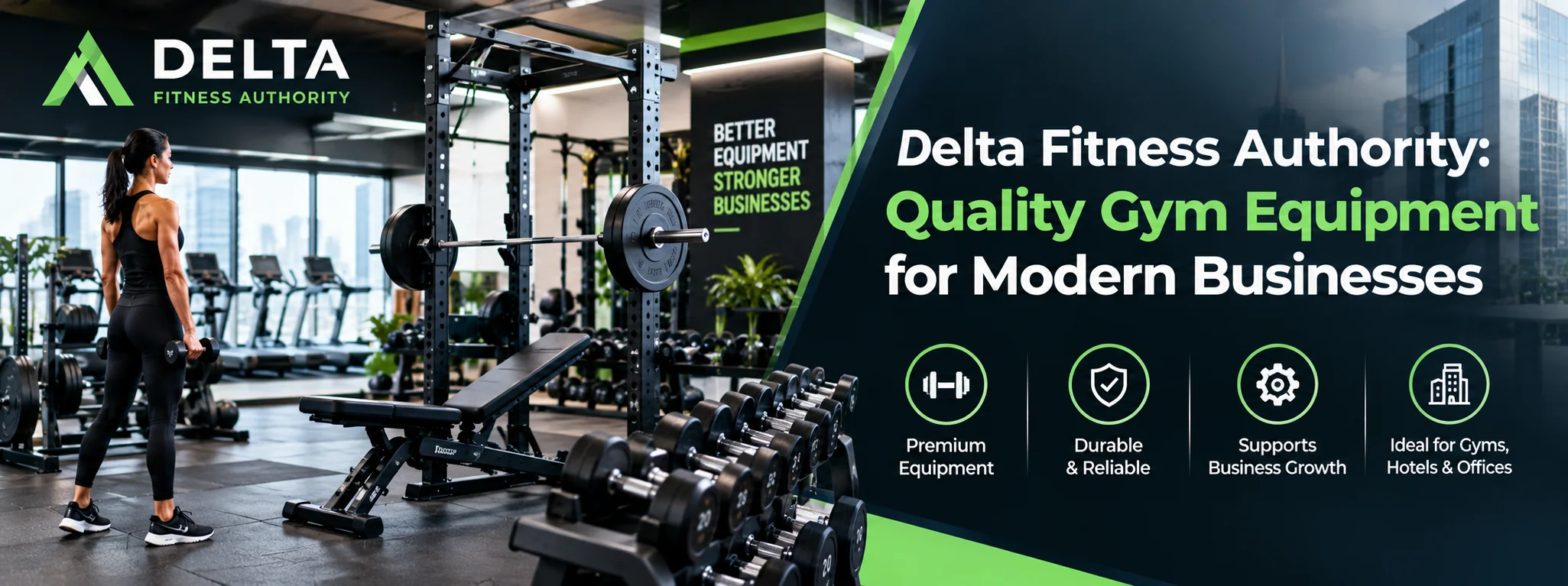
Choosing reliable gym equipment is essential for businesses that want to create professional, safe, and attractive fitness spaces. Delta Fitness Authority is a keyword associated with fitness equipment, commercial gym solutions, and the growing demand for modern workout facilities. For gym owners, hotel managers, corporate wellness teams, and fitness entrepreneurs, investing in quality equipment can improve the customer experience and support long-term business growth.
Modern fitness facilities need more than a collection of machines and weights. They require thoughtful equipment selection, efficient space planning, durable materials, and solutions that accommodate different fitness levels. Understanding these priorities helps businesses create welcoming environments where members feel comfortable, motivated, and ready to achieve their goals.
Delta Fitness Authority and Modern Fitness Needs
The fitness industry continues to evolve as people look for convenient, flexible, and effective ways to stay active. Commercial gyms, boutique studios, residential complexes, and hotels increasingly need equipment that combines functionality with a professional appearance.
Delta Fitness Authority represents a useful starting point for exploring the relationship between quality gym equipment and modern business requirements. Businesses researching fitness suppliers should focus on product quality, available equipment categories, maintenance requirements, and customer support before making purchasing decisions.
A well-equipped fitness facility can attract new members, encourage repeat visits, and strengthen a company’s reputation. However, these benefits depend on selecting equipment that suits the intended audience rather than simply purchasing the most expensive machines.
Essential Gym Equipment for Commercial Facilities
Different fitness businesses require different equipment combinations. A large health club may need an extensive collection of strength machines, while a small personal training studio might achieve better results with versatile equipment that occupies less space.
Strength Training Equipment
Strength training equipment supports muscle development, resistance training, and general physical conditioning. Popular options include:
- Dumbbells and adjustable weight sets for flexible strength workouts.
- Barbells and weight plates for compound lifting exercises.
- Power racks and benches for structured resistance training.
- Cable machines for controlled movements targeting different muscle groups.
- Selector machines that allow users to adjust resistance easily.
Durability is especially important in commercial environments because equipment may experience frequent use throughout the day. Strong frames, stable construction, comfortable padding, and accessible adjustment mechanisms can improve usability and reduce avoidable maintenance issues.
Cardiovascular Machines
Cardio equipment helps members improve endurance and participate in low-impact or higher-intensity workouts. Treadmills, exercise bikes, rowing machines, and elliptical trainers are common choices.
When evaluating these products, businesses should examine motor performance, weight capacity, stability, display readability, and warranty coverage. Quiet operation can also be valuable in hotels, apartment fitness rooms, and corporate wellness facilities.
Functional Training Accessories
Resistance bands, kettle bells, medicine balls, suspension trainers, and exercise mats support versatile workout routines. These accessories are useful for warm-ups, mobility exercises, circuit training, and personal coaching.
Their relatively compact design makes them suitable for smaller studios and facilities that need to accommodate multiple activities in one room.
How to Choose Quality Gym Equipment
Selecting suitable equipment requires a balance between cost, durability, functionality, and user expectations. Business owners should evaluate their needs carefully before committing to a large purchase.
Assess Your Target Audience
Start by identifying the people who will use the facility. Beginners may appreciate straightforward machines with clear instructions, while experienced athletes might prioritize heavier resistance, specialized equipment, and advanced training options.
Hotels and residential properties often benefit from a balanced selection of cardio machines, adjustable weights, and simple strength equipment. Dedicated fitness centers may require more extensive collections.
Compare Construction and Safety
Commercial equipment should withstand repeated use without becoming unstable or uncomfortable. Inspect frame materials, moving components, grips, adjustment points, and protective features.
Safety instructions and correct installation are equally important. Equipment should be positioned according to manufacturer recommendations, with sufficient clearance for movement and emergency access.
Review Warranty and Maintenance
Equipment ownership involves more than the initial purchase price. Replacement parts, servicing, cleaning, and downtime can affect operating expenses.
Before purchasing, ask suppliers about warranty terms, maintenance schedules, spare-part availability, delivery arrangements, and technical support. These details can help prevent expensive interruptions after installation.
Comparing Equipment Options for Different Businesses
The following table provides a practical overview of common equipment categories and their potential applications.
| Equipment category | Main purpose | Suitable business |
| Treadmills | Walking, running, and endurance | Commercial gyms and hotels |
| Exercise bikes | Cardiovascular conditioning | Studios and corporate gyms |
| Dumbbells and benches | Versatile strength workouts | Most fitness facilities |
| Cable machines | Controlled resistance exercises | Full-service gyms |
| Kettlebells and bands | Functional and circuit training | Boutique studios |
| Power racks | Heavy resistance training | Strength-focused gyms |
The ideal combination depends on available floor space, budget, expected membership, and the type of training offered. Businesses should prioritize frequently used equipment before adding specialized machines.
Building a Cost-Effective Fitness Facility
A successful gym does not necessarily need the largest equipment collection. Instead, its design should support practical workouts, comfortable movement, and efficient use of available space.
Begin with a purchasing plan that separates essential equipment from optional upgrades. This approach allows new businesses to establish a functional facility without spending their entire budget immediately.
Consider the following strategies:
- Prioritize versatility: Choose equipment that supports several exercises and different fitness levels.
- Measure available space: Plan equipment placement, walking routes, and safety clearances before ordering.
- Calculate total ownership costs: Include installation, maintenance, accessories, and potential replacement expenses.
- Choose dependable suppliers: Review product specifications, warranty policies, and after-sales service.
- Plan future expansion: Leave room for additional machines as membership and business needs grow.
These steps can help owners create an efficient environment while maintaining financial flexibility. A carefully planned facility can deliver a better experience without unnecessary spending.
The Importance of Equipment Maintenance
Regular maintenance protects equipment performance and helps maintain a professional atmosphere. Even premium machines require cleaning, inspection, and servicing to remain dependable.
Staff should wipe down frequently touched surfaces, check cables and fasteners, inspect moving components, and report unusual sounds or instability. Damaged equipment should be removed from service until it has been inspected and repaired appropriately.
Businesses should also maintain records of servicing, repairs, and replacement parts. These records make it easier to identify recurring problems, schedule preventive maintenance, and manage operating costs.
A clean and well-maintained gym communicates care and professionalism. Members are more likely to feel confident when machines operate smoothly and the facility looks organized.
Why Supplier Research Matters
Businesses researching Delta Fitness Authority should verify the supplier’s current product range, commercial suitability, delivery coverage, and service policies before placing an order. The keyword alone does not establish specific product availability, certifications, prices, or warranty conditions, so these details should be confirmed directly with the seller.
Requesting detailed specifications and written quotations makes comparisons easier. Where possible, examine equipment in person or request demonstrations to evaluate comfort, stability, adjustment features, and overall construction.
Independent customer feedback can also help businesses identify potential concerns. However, reviews should be assessed carefully, with particular attention to recurring comments about durability, delivery, and after-sales support.
Frequently Asked Questions
1. What is Delta Fitness Authority?
Delta Fitness Authority is a search term associated with fitness equipment and commercial gym solutions. Buyers should verify the exact supplier and its current offerings before purchasing.
2. Which equipment does a commercial gym need?
Most commercial gyms benefit from a combination of strength machines, free weights, cardio equipment, and functional training accessories.
3. How can businesses select durable gym equipment?
Compare construction materials, weight limits, warranty coverage, maintenance requirements, and manufacturer specifications.
4. Is commercial gym equipment suitable for hotels?
Yes. Hotels can use appropriately sized cardio machines, adjustable weights, and compact strength equipment to create convenient guest fitness areas.
5. How often should gym equipment be maintained?
Daily cleaning and routine visual inspections are recommended. Detailed servicing should follow the manufacturer’s maintenance schedule and usage requirements.
Final Thoughts
Quality gym equipment is a valuable investment for businesses seeking to build reliable, attractive, and user-friendly fitness facilities. From strength machines and cardio equipment to compact functional training accessories, each purchase should support the intended audience and available space.
Delta Fitness Authority provides a relevant starting point for researching commercial fitness equipment, but informed purchasing decisions require verified product details, transparent pricing, dependable warranties, and responsive customer support. By combining careful supplier research with smart budgeting and regular maintenance, business owners can create fitness environments that inspire confidence, encourage consistent exercise, and support sustainable growth.