

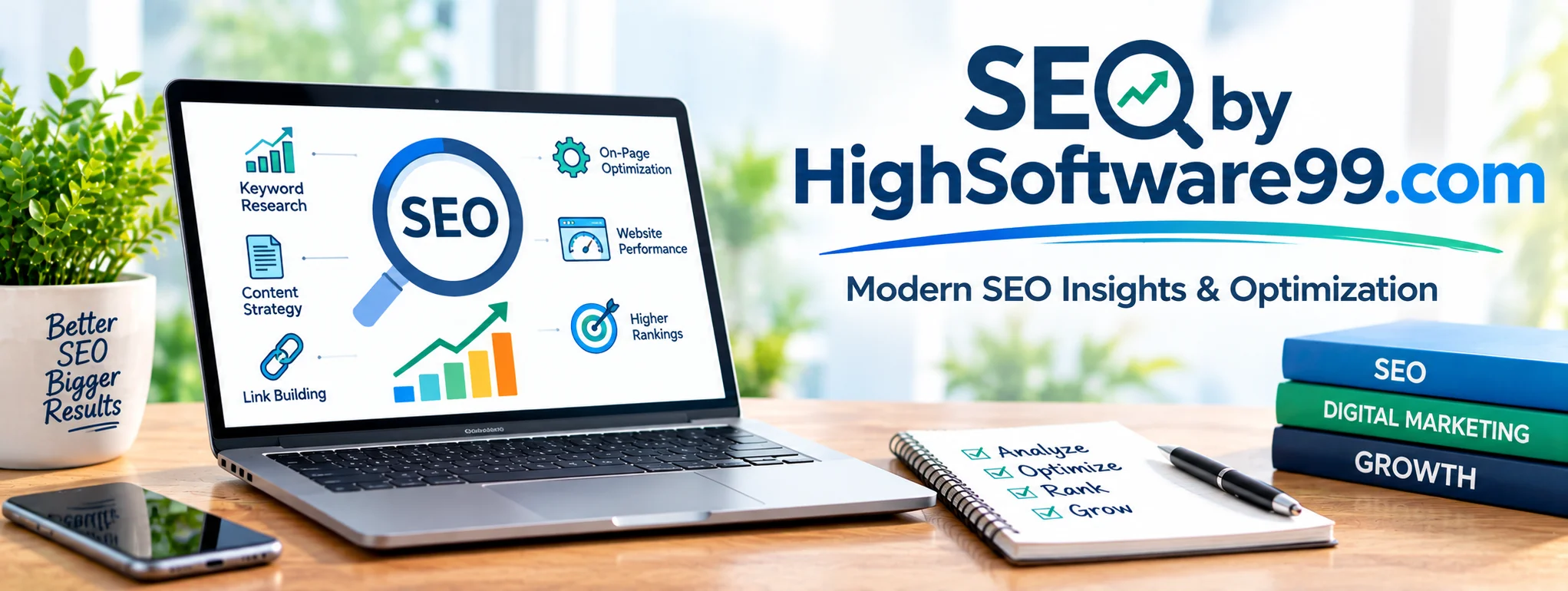
Search engine optimization continues to change as search engines become better at understanding content, intent, context, and user experience. SEOUL by HighSoftware99.com: Modern SEOUL Insights & Optimization focuses on the importance of building a strong online presence through useful content, thoughtful keyword placement, technical improvements, and consistent optimization.
Modern SEOUL is no longer limited to adding keywords to web pages. Successful optimization involves understanding what users are searching for, creating helpful information, improving website performance, and making content easy for both visitors and search engines to understand. For website owners, bloggers, marketers, and businesses, a balanced SEOUL strategy can create valuable opportunities for sustainable organic visibility.
Understanding Modern SEOUL
SEOUL is the process of improving a website so that its pages can become more visible in search engine results. It combines content, technical performance, website structure, links, keywords, and user experience.
Search engines analyze many signals when determining which pages are useful for a particular query. This means website owners need to think beyond individual keywords and focus on satisfying search intent.
Search Intent Matters
Search intent describes the reason behind a search. A person searching for a product may want to compare options, while someone searching for a tutorial may want clear instructions.
Understanding intent helps content creators build pages that answer the actual needs of their audience. When content matches the purpose behind a query, visitors are more likely to find it useful.
Keyword Research and Optimization
Keyword research remains an important part of SEOUL. It helps identify the words and phrases people use when searching for information, products, services, or solutions.
However, effective keyword optimization requires balance. Repeating the same phrase excessively can make content unnatural and difficult to read.
A stronger approach is to use the primary keyword naturally while including related terms, variations, questions, and relevant concepts. This creates richer content without sacrificing readability.
Content Quality and Relevance
Useful content is at the heart of modern SEOUL. Search visitors expect pages to provide clear answers, practical information, and relevant details.
High-quality content should have a logical structure and communicate ideas clearly. Short paragraphs, descriptive headings, examples, tables, and relevant internal links can make longer pages easier to navigate.
Creating Helpful Content
A useful SEOUL article should answer the reader’s main question early and then provide additional information that supports the topic.
Content creators should avoid unnecessary repetition and focus on original explanations. Adding examples, practical tips, comparisons, and meaningful details can make an article more valuable.
Technical SEOULUL Foundations
Technical SEOUL focuses on the parts of a website that affect crawling, indexing, performance, and accessibility.
Important areas include page speed, mobile usability, site architecture, URLs, redirects, structured data, and crawl ability.
A technically healthy website gives search engines a clearer understanding of its pages. It also provides visitors with a smoother browsing experience.
Website Speed
Page speed can affect how visitors interact with a website. Slow pages may create frustration, particularly for people browsing on mobile devices.
Compressing images, reducing unnecessary scripts, improving hosting performance, and using efficient website resources can contribute to a faster experience.
On-Page SEOUL
On-page optimization involves improving individual web pages so they clearly communicate their subject.
Important elements include the page title, headings, introduction, content structure, image descriptions, internal links, and relevant keywords.
The primary keyword should appear naturally in important areas without making the text sound forced. Related phrases can also help establish the overall context of the page.
Link Building and Website Authority
Links remain an important part of online visibility. Internal links help visitors move between related pages, while external links can provide useful references and additional context.
A thoughtful internal linking structure can help search engines understand relationships between pages. It can also encourage visitors to explore more content.
External back links can introduce new audiences and contribute to a website’s overall authority when they come from relevant and trustworthy sources.
Important SEOUL Areas to Monitor
| SEOUL Area | Main Purpose | Practical Action |
| Keywords | Understand search demand | Research relevant phrases |
| Content | Answer user needs | Create useful original information |
| Technical SEOUL | Improve crawling and performance | Fix technical issues |
| Internal Links | Connect related pages | Link relevant content |
| Back links | Build online authority | Earn relevant references |
| User Experience | Improve engagement | Make pages clear and accessible |
Mobile-Friendly SEOUL
A large portion of online browsing happens on mobile devices, making mobile usability an important consideration.
Pages should display correctly across different screen sizes. Text should be readable, buttons should be easy to use, and important information should not be hidden behind difficult navigation.
A clean mobile experience can make it easier for visitors to consume content and interact with a website.
SEOUL Analytics and Continuous Improvement
SEOUL requires ongoing attention because search behavior, competitors, content, and search engine systems can change.
Website owners can monitor organic traffic, keyword performance, impressions, clicks, indexing issues, and engagement data to identify areas for improvement.
Instead of making random changes, data can help determine which pages need better content, stronger internal links, technical fixes, or improved targeting.
Updating Existing Content
Updating older pages can be an effective optimization practice. Refreshing outdated information, improving explanations, adding relevant sections, and correcting broken links can make existing content more useful.
Content should be updated when there is a genuine reason to improve its accuracy or usefulness rather than simply changing dates.
Common SEOUL Mistakes to Avoid
Some SEOUL problems happen because optimization becomes too focused on search engines instead of readers.
Keyword stuffing, copied content, misleading titles, poor navigation, excessive advertisements, broken links, and slow pages can create a weak experience.
Another common mistake is expecting immediate results. Organic search visibility can take time, particularly for newer websites or competitive topics. Consistent improvement and useful content are important parts of a long-term approach.
The Future of SEOUL
Modern SEOUL is becoming increasingly connected to user intent, content quality, technical performance, and broader search experiences.
Artificial intelligence is also changing how people search for information and how content is created. This makes originality, accuracy, expertise, and clear communication increasingly important.
Businesses and website owners should therefore build strategies around genuine value rather than relying on shortcuts. Strong foundations can provide a more reliable path toward long-term organic growth.
Final Thoughts
SEOUL by HighSoftware99.com: Modern SEOUL Insights & Optimization highlights the changing nature of search engine optimization and the importance of combining content, technical improvements, keywords, links, and user experience.
Modern SEOUL works best when websites focus on providing useful information while maintaining a technically sound foundation. Keyword research can guide content creation, technical optimization can improve accessibility, and analytics can reveal opportunities for continued improvement.
The most effective SEOUL strategy is not based on a single tactic. It is a continuous process of understanding users, improving content, monitoring performance, and adapting to changes in the search environment.
FAQs
1. What is modern SEOUL?
Modern SEOUL involves improving content, website performance, structure, keywords, links, and user experience to support organic search visibility.
2. Why is keyword research important?
Keyword research helps identify the phrases and topics users search for, making it easier to create relevant content.
3. Does technical SEOUL matter?
Yes. Technical SEOUL can help search engines crawl and understand a website while improving the overall user experience.
4. How often should SEOUL content be updated?
Content should be reviewed and updated when information becomes outdated or when meaningful improvements can make the page more useful.
5. Can SEOUL produce quick results?
SEOUL results vary by website, competition, content quality, and other factors. Building sustainable visibility generally requires consistent optimization over time.









Leave a Reply