
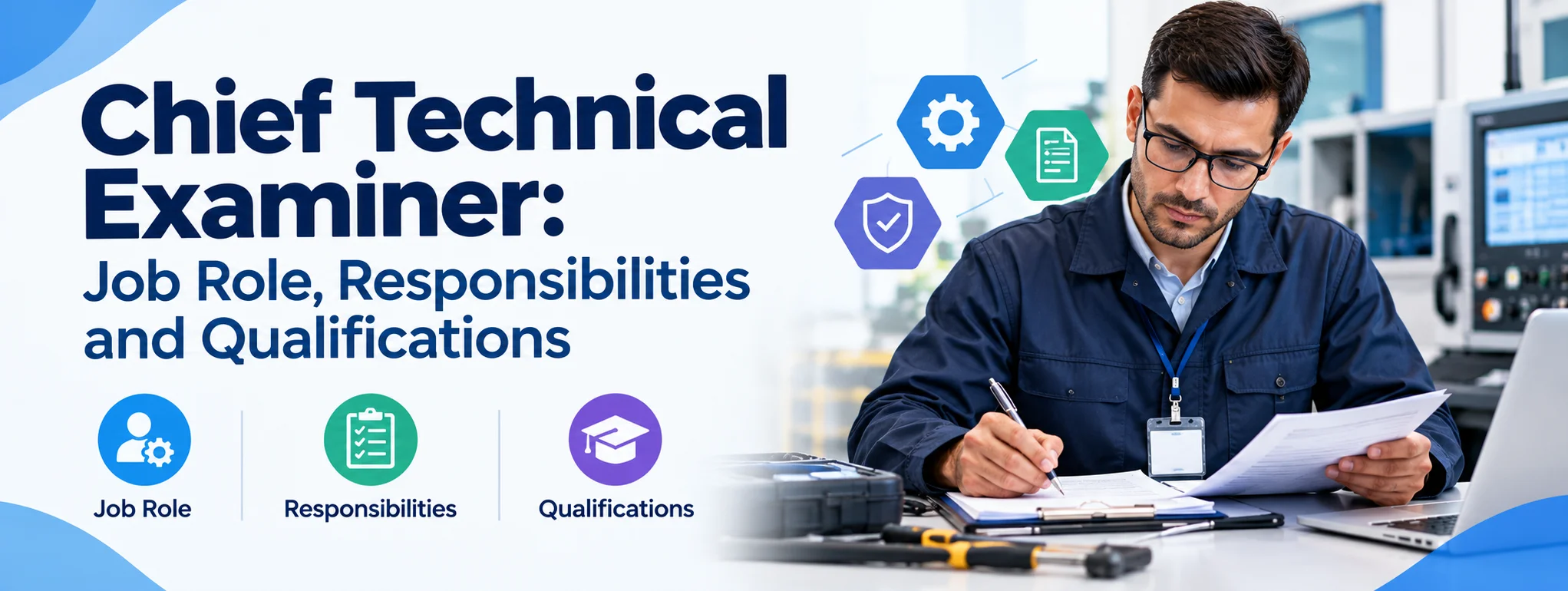
A Chief Technical Examiner is a senior professional responsible for examining technical work, reviewing engineering standards, evaluating project quality, and identifying weaknesses that may affect safety, performance, cost, or compliance. This role can be especially important in government departments, engineering organizations, infrastructure projects, construction, manufacturing, and other technical environments where accurate inspection matters.
The Chief Technical Examiner combines technical expertise with investigation, documentation, supervision, and analytical skills. The position often requires a strong understanding of engineering practices, regulations, project management, and quality control. By reviewing technical activities carefully, the role can help organizations maintain high standards and address potential problems before they become serious.
Role of a Chief Technical Examiner
The role of a Chief Technical Examiner generally involves independent technical examination and assessment. Depending on the organization, the professional may review projects during planning, execution, or completion.
A Chief Technical Examiner may examine whether approved specifications are being followed, whether materials meet required standards, and whether work has been completed according to contractual requirements.
Technical Examination and Inspection
One of the central responsibilities is inspecting technical work and project documentation. This may include construction projects, engineering installations, procurement activities, maintenance work, or specialized infrastructure.
The examiner may compare actual work with approved drawings, specifications, bills of quantities, technical standards, and contractual conditions. Any significant variation can then be documented for further review.
Quality and Compliance Assessment
Quality control is another important part of the position. The Chief Technical Examiner evaluates whether technical procedures comply with established standards and organizational requirements.
This can involve checking materials, workmanship, testing procedures, measurements, equipment, and project records. Where deficiencies are identified, the examiner may recommend corrective action.
Chief Technical Examiner Responsibilities
The responsibilities can vary according to the industry and institution, but several duties are commonly associated with this senior position.
- Reviewing technical plans, specifications, drawings, and project documents.
- Conducting inspections and identifying technical deficiencies.
- Examining quantities, materials, measurements, and workmanship.
- Preparing detailed technical observations and examination reports.
- Recommending corrective measures when standards or requirements are not met.
A Chief Technical Examiner may also coordinate with engineers, contractors, project managers, procurement teams, and senior officials during technical investigations.
Investigation and Technical Reporting
Technical examination is not limited to observing physical work. Strong documentation is essential because examination findings may influence important administrative or financial decisions.
Reviewing Project Records
The examiner may analyze contracts, invoices, measurement books, test reports, drawings, approval documents, and other project records. Comparing these documents with actual site conditions can reveal discrepancies that require attention.
For example, a project may show a particular quantity of material in its records while the physical inspection indicates a different quantity. The examiner must document the observation accurately and provide supporting evidence.
Preparing Clear Reports
A technical report should present findings in a structured and understandable manner. It may include the project background, examination scope, observations, supporting documents, technical analysis, and recommendations.
Clear reporting allows decision-makers to understand the issue without having to interpret complicated technical information themselves.
Qualifications for a Chief Technical Examiner
Educational and professional requirements depend on the organization, but senior technical examination positions normally require substantial technical knowledge and professional experience.
Educational Background
A bachelor’s degree in engineering, construction, architecture, technology, or another relevant technical discipline may be required. Some senior positions may prefer or require postgraduate qualifications.
Relevant fields can include:
| Qualification Area | Relevance to the Role |
| Civil Engineering | Construction and infrastructure examination |
| Mechanical Engineering | Machinery and industrial systems |
| Electrical Engineering | Electrical installations and systems |
| Architecture | Building design and compliance |
| Construction Management | Project execution and quality control |
| Technical Management | Supervision and organizational oversight |
Professional registration, certifications, or specialized training may also strengthen a candidate’s qualifications depending on local requirements.
Essential Skills for the Position
Technical knowledge is only one part of becoming an effective Chief Technical Examiner. The position also requires careful judgment, communication, and analytical ability.
Analytical and Observation Skills
The examiner must be able to identify unusual measurements, inconsistencies, technical defects, and deviations from specifications. Attention to detail is particularly important because small discrepancies can sometimes indicate larger project issues.
Communication and Documentation
Strong written communication is essential for preparing examination reports. The professional may also need to explain technical findings to managers, engineers, contractors, or administrative officials.
Other useful abilities include:
- Technical drawing and specification interpretation
- Project documentation and record analysis
- Risk identification and quality assessment
- Professional communication and negotiation
- Independent decision-making and ethical conduct
Importance in Projects and Organizations
A Chief Technical Examiner can provide an important layer of technical oversight. Independent examination may help organizations identify quality concerns, improve compliance, and strengthen project accountability.
In large infrastructure projects, for example, technical examination can involve multiple stages. Reviewing work during implementation may help identify issues while corrective action is still possible rather than waiting until the project is completed.
This makes the role valuable in environments where safety, durability, cost control, and regulatory compliance are critical.
Career Path and Professional Development
Professionals interested in becoming a Chief Technical Examiner typically build their careers through technical education, practical engineering experience, project exposure, and leadership responsibilities.
An engineer might begin in a design, construction, inspection, maintenance, or project-management position. With increasing experience, they may move into senior technical supervision and examination roles.
Continuous professional development is also important. Changes in engineering standards, construction methods, digital inspection tools, environmental requirements, and regulatory frameworks mean that technical professionals need to keep their knowledge current.
Final Thoughts
The Chief Technical Examiner role combines technical expertise, inspection, investigation, reporting, and professional responsibility. It requires more than academic qualifications because the examiner must understand how technical standards are applied in real-world projects.
Strong analytical skills, attention to detail, ethical judgment, and effective communication can help professionals perform this demanding role successfully. As organizations continue to manage complex infrastructure and technical projects, qualified examiners can play a valuable part in maintaining quality, compliance, transparency, and long-term project performance.
FAQs
1. What does a Chief Technical Examiner do?
A Chief Technical Examiner reviews technical work, conducts inspections, identifies deficiencies, and prepares examination reports.
2. What qualifications are usually required?
A relevant engineering or technical degree and substantial professional experience are commonly expected.
3. Which skills are important for this role?
Analytical thinking, technical knowledge, documentation, communication, observation, and ethical judgment are important.
4. Where can Chief Technical Examiners work?
They may work in government departments, engineering organizations, construction, infrastructure, manufacturing, and other technical sectors.
5. Why is technical examination important?
It can help identify technical deficiencies, improve compliance, support quality control, and strengthen project accountability.
One Reply to “Chief Technical Examiner: Job Role, Responsibilities and Qualifications”