
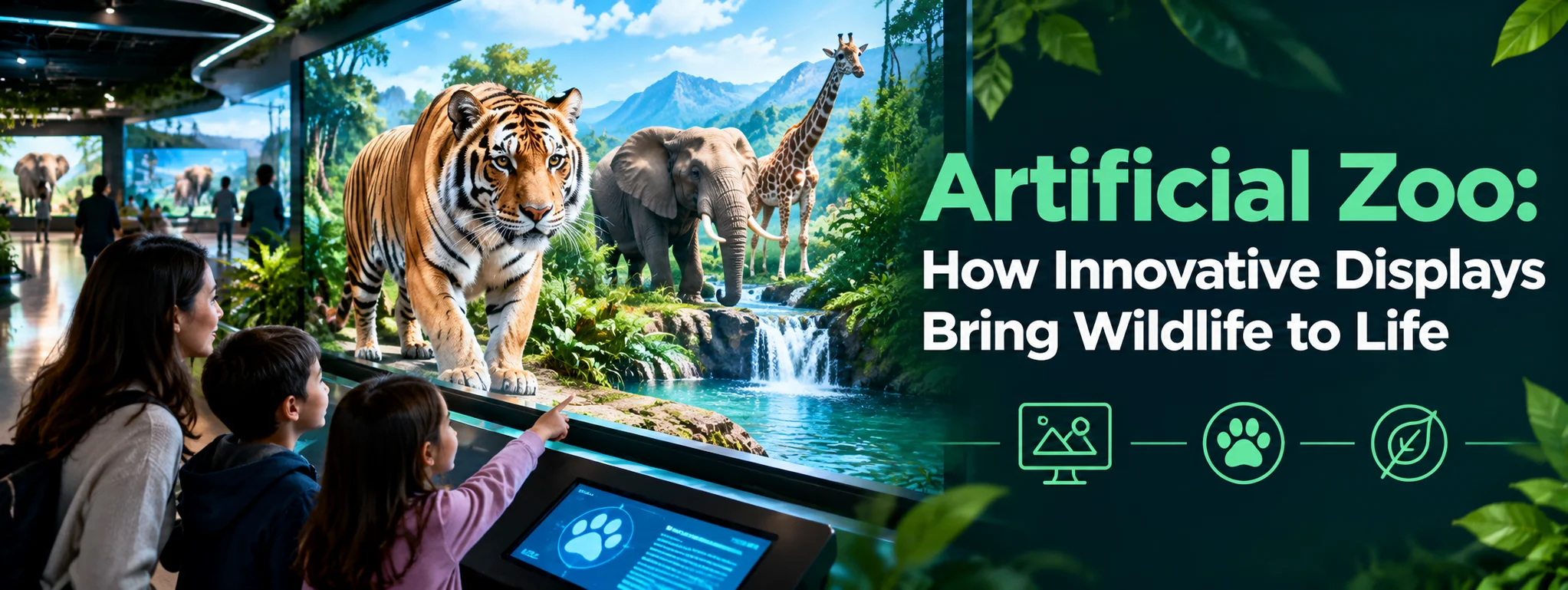
An Artificial Zoo offers an exciting way to experience wildlife through technology, realistic animal models, interactive displays, and immersive environments. Unlike traditional zoos that primarily house living animals, artificial zoo concepts can recreate natural habitats using digital simulations, robotic creatures, augmented reality, and lifelike installations. These innovative experiences allow visitors to explore the animal kingdom while learning about biodiversity, conservation, and the natural world.
As technology continues to transform education and entertainment, artificial zoos are becoming an interesting concept for museums, science centers, theme parks, and wildlife exhibitions. They can provide engaging alternatives for people who want to observe animal behavior without relying entirely on live animal displays.
From moving robotic dinosaurs to virtual underwater environments, these attractions combine creativity and scientific information to make wildlife education more accessible. Understanding how an artificial zoo works reveals its potential benefits, limitations, and role in shaping the future of animal exhibitions.
What Is an Artificial Zoo?
An artificial zoo is a wildlife-themed environment that uses manufactured, digital, or simulated representations of animals instead of relying exclusively on living creatures. Depending on its design, it may feature robotic animals, animated projections, virtual reality experiences, artificial habitats, or interactive educational displays.
The main purpose is to recreate aspects of the natural world in a controlled setting. Visitors might observe a mechanical lion moving through a simulated grassland, explore a virtual rain forest, or learn about marine life through an immersive digital aquarium.
How Artificial Zoos Differ From Traditional Zoos
Traditional zoos generally focus on living animals, their care, habitat management, veterinary treatment, and conservation programs. Artificial zoos emphasize technology, constructed environments, and simulated encounters.
Both approaches can educate visitors, but they offer different experiences. A live animal allows people to observe genuine biological behavior, while a simulation can demonstrate otherwise difficult-to-see events, such as the movement of extinct species or the internal workings of an ecosystem.
An artificial zoo should therefore be viewed as a complementary educational attraction rather than an automatic replacement for every function of a traditional zoo.
How Artificial Zoo Technology Works
The experience depends on the technologies used to create realistic animals and environments. Some installations use simple mechanical systems, while others combine advanced software, sensors, and digital effects.
Robotic and Animation Animals
Animation animals use motors, mechanical joints, sensors, and programmed movements to imitate selected animal behaviors. A robotic elephant might move its trunk, turn its head, or produce sounds that resemble its natural calls.
These models can be particularly effective in museums and exhibitions because they allow visitors to see animal forms and movements at close range. Designers can also use them to represent extinct species that cannot be observed in the modern world.
However, mechanical movement does not reproduce every detail of real animal behavior. The quality of the experience depends on the model’s design, accuracy, maintenance, and supporting educational information.
Virtual Reality and Augmented Reality
Virtual reality can transport visitors into simulated environments, such as tropical forests, coral reefs, or polar landscapes. With suitable equipment, users can explore these settings and encounter digital animals from different perspectives.
Augmented reality adds digital elements to the physical environment. For example, a visitor might point a compatible device toward an exhibit to see an animated bird appear on screen.
These technologies make learning interactive and memorable, particularly for younger audiences who enjoy exploring information through visual experiences.
Projection Mapping and Interactive Displays
Projection mapping uses carefully positioned projectors to display moving images across walls, floors, sculptures, or specially designed surfaces. It can transform an ordinary exhibition space into a vivid landscape.
Interactive displays may respond to visitors’ movements, touch, or choices. A child might select an animal to learn about its diet, habitat, and survival strategies.
Major Benefits of an Artificial Zoo
Artificial zoo experiences offer several potential advantages when they are designed around accurate information and meaningful educational goals.
1. Wildlife Education Without Live Animal Displays
Artificial exhibits can introduce visitors to species that are difficult to maintain in captivity. They can also present extinct animals, fragile ecosystems, and dangerous wildlife through controlled simulations.
This approach provides opportunities to discuss biodiversity without requiring every exhibit to contain a living animal.
2. Creative and Immersive Learning
Visual effects, sound, movement, and interactive activities can make complex scientific concepts easier to understand. Instead of reading only about migration, visitors might follow a simulated bird’s journey across continents.
Such experiences can encourage curiosity and create lasting memories, especially when interactive elements support clear educational explanations.
3. Greater Flexibility for Exhibitions
Digital and mechanical exhibits can be redesigned, updated, or rearranged to explore different subjects. An exhibition might move from rain forest biodiversity to ocean conservation without the extensive animal-care arrangements required by a live collection.
However, sophisticated installations still require maintenance, technical expertise, electricity, and suitable facilities.
4. Potential Animal Welfare Advantages
An artificial zoo can present animal-related experiences without placing live animals in exhibition enclosures. This may reduce certain welfare concerns associated with displaying animals for entertainment.
Nevertheless, its environmental impact should also be considered. Manufacturing equipment, powering displays, and replacing electronic components consume resources, so responsible design remains important.
Artificial Zoo Features at a Glance
The following table compares common technologies used in artificial wildlife attractions.
| Feature | How It Works | Main Benefit |
|---|---|---|
| Robotic animals | Mechanical movements imitate selected behaviors | Realistic physical displays |
| Virtual reality | Creates simulated wildlife environments | Immersive exploration |
| Augmented reality | Adds digital animals to real surroundings | Interactive learning |
| Projection mapping | Projects animated scenes onto surfaces | Engaging visual storytelling |
| Touchscreen exhibits | Presents information through user choices | Accessible educational content |
| Sound installations | Recreates animal calls and natural environments | Richer sensory experiences |
Challenges and Limitations of Artificial Zoos
Despite their exciting potential, artificial zoos also face important challenges.
Maintaining Scientific Accuracy
A visually impressive display can still misrepresent wildlife if its information is inaccurate. Animal movements, habitats, diets, and social behaviors should be based on credible scientific research.
Exhibitions should clearly distinguish realistic reconstructions from imaginative interpretations, particularly when presenting extinct species or speculative environments.
Costs and Technical Maintenance
Robotic systems, immersive screens, projection equipment, and specialized software can require substantial investment. Technical failures may interrupt the experience, while outdated equipment can reduce the attraction’s effectiveness.
Regular inspections, software updates, and careful budgeting are essential for long-term operation.
Avoiding Superficial Entertainment
Technology should support learning rather than distract from it. Excessive sound effects or flashy animations may entertain visitors without teaching them much about wildlife.
The strongest exhibits balance engaging visuals with clear explanations, meaningful activities, and opportunities to understand conservation challenges.
How Artificial Zoos Can Support Conservation Awareness
Artificial zoos can help explain threats facing wildlife, including habitat destruction, pollution, climate change, and illegal wildlife trade. Interactive scenarios may demonstrate how changes to food supplies or environmental conditions affect an ecosystem.
Visitors can also explore practical conservation actions, such as reducing waste, protecting natural habitats, and supporting credible wildlife organizations.
For these experiences to make a genuine difference, exhibitions should present evidence-based information and avoid suggesting that virtual encounters alone can solve environmental problems. Their greatest value lies in inspiring informed decisions and encouraging respect for living creatures.
Final Thoughts
The Artificial Zoo concept demonstrates how technology can transform wildlife education into an immersive and accessible experience. Through robotic animals, virtual reality, interactive displays, and realistic environments, these attractions can introduce visitors to extraordinary species and ecosystems in creative ways.
Their success depends on more than impressive visuals. Scientific accuracy, thoughtful design, responsible resource use, and meaningful educational content are essential for creating a worthwhile experience.
When these elements work together, artificial zoos can become powerful spaces for curiosity, discovery, and conservation awareness. They offer an exciting opportunity to explore the natural world while reminding visitors why protecting real animals and their habitats remains essential.
Frequently Asked Questions
1. What is an Artificial Zoo?
An artificial zoo uses robotic animals, digital simulations, or constructed wildlife environments to create educational and entertaining animal experiences.
2. Do artificial zoos contain real animals?
Not necessarily. Their exhibits may use mechanical models, digital representations, or immersive simulations instead of living animals.
3. Are artificial zoos educational?
Yes, they can teach visitors about animal behavior, habitats, biodiversity, and conservation when their information is accurate.
4. What technologies are used in artificial zoos?
Common technologies include animations, virtual reality, augmented reality, projection mapping, and interactive screens.
5. Can artificial zoos replace traditional zoos?
They can complement some educational and exhibition activities, but they cannot fully reproduce the biological, veterinary, and conservation functions of institutions that care for living animals.
2 Replies to “Artificial Zoo: How Innovative Displays Bring Wildlife to Life”